ktbexchange rate Insights into Economic Impact and Trends

Kicking off with ktbexchange rate, this vital indicator reflects the monetary policy landscape and its ripple effects on the economy. Understanding its significance goes beyond numbers; it intertwines with historical context, economic stability, and global interactions. As we delve into the intricacies of the KTB exchange rate, we’ll uncover how it influences not only businesses and trade but also everyday consumers, shaping purchasing power and investment decisions.

From examining the key economic indicators that sway the KTB exchange rate to understanding its interactions with political events and global markets, we are set to explore a comprehensive view. This discussion will touch upon technology’s role in evolving currency exchanges, the implications for international trade, and consumer behavior in the face of fluctuating rates.

Understanding the KTB Exchange Rate

The KTB exchange rate plays a crucial role in the landscape of monetary policy, offering insights into economic health and influencing a wide array of financial decisions. The KTB, which typically stands for a currency like the Korean Treasury Bond in South Korea, reflects how the currency is valued against others in the international market. It serves as an essential tool for central banks to control inflation, manage economic growth, and stabilize the currency.

When a central bank adjusts interest rates, it directly affects the KTB exchange rate, impacting everything from investment flows to consumer spending.Historically, KTB exchange rates have experienced fluctuations due to various factors, including political stability, global economic conditions, and shifts in monetary policy. For example, during periods of economic turbulence or political unrest, the KTB exchange rate may weaken as investors seek safer assets.

Conversely, in times of economic growth, the exchange rate may appreciate, reflecting investor confidence. Understanding these fluctuations requires an appreciation of historical trends, as market reactions can be swift and influenced by both domestic and international events.When comparing the KTB exchange rate with other major currencies like the US dollar or euro, it’s clear that currency strength varies based on numerous factors, including interest rates, inflation, and economic performance.

For example, a strong KTB exchange rate against the dollar signifies a robust economy that attracts foreign investment, while a weaker rate may raise concerns about economic stability.

Factors Influencing the KTB Exchange Rate

Several key economic indicators significantly influence the KTB exchange rate, and understanding these can provide insight into potential shifts in this vital financial metric. Here are five essential indicators:

  • Interest Rates: Central banks adjust interest rates to control inflation and stabilize the economy, directly impacting currency strength.
  • Inflation Rates: High inflation typically decreases the value of currency; thus, maintaining low inflation is essential for a strong KTB exchange rate.
  • Economic Growth: GDP growth rates are critical; a growing economy often leads to a stronger currency as it attracts investment.
  • Political Stability: Uncertainty in government policies or political unrest can lead to currency depreciation as investors seek safer currencies.
  • Trade Balances: A country’s trade balance affects currency demand; a surplus can strengthen the currency, while a deficit can lead to depreciation.

Political events and policies can create ripples in the exchange rate. For instance, changes in trade agreements, sanctions, or government policies can shift investor confidence and alter the KTB exchange rate. External factors also play a significant role in determining the KTB exchange rate. Global markets, where currencies are traded, can influence rates based on investor sentiment. Additionally, trade agreements, such as those between South Korea and its trading partners, can directly impact the flow of goods and services, influencing the KTB exchange rate.

The KTB Exchange Rate in International Trade

The KTB exchange rate has profound implications for import and export prices, which can significantly affect businesses. When the KTB appreciates, imports become cheaper for consumers, but exports may become more expensive for foreign buyers, potentially leading to trade imbalances. Foreign direct investment (FDI) decisions are also influenced by the KTB exchange rate. A stable and appreciating exchange rate typically attracts foreign investors looking for favorable conditions to invest in local businesses.

Conversely, a volatile exchange rate can deter potential investors due to the increased risk involved.Consider a scenario where the KTB exchange rate experiences a sudden decline due to political instability. This fluctuation could make exported goods less expensive for foreign buyers, potentially boosting export volumes. However, on the flip side, imports would become more costly, impacting domestic businesses relying on foreign goods, thereby affecting the overall trade balance.

Analyzing the KTB Exchange Rate Over Time

Tracking the KTB exchange rate across different timeframes can yield useful insights into broader economic trends. Methods for analysis include examining weekly, monthly, and yearly performance, which can help identify patterns and inform future predictions.Interpreting historical data is crucial. By analyzing past performance alongside economic events—such as financial crises, major policy shifts, or global market changes—analysts can better gauge future movements of the KTB exchange rate.

Year KTB Exchange Rate Major Economic Event
2013 1,100 KRW/USD Fed Tapering Announced
2016 1,200 KRW/USD US Election Uncertainty
2020 1,150 KRW/USD COVID-19 Pandemic
2023 1,100 KRW/USD Economic Recovery Signs

The Role of Technology in the KTB Exchange Rate

Technology and digital currencies are reshaping how we view exchange rates, including the KTB. Blockchain technology and cryptocurrencies have introduced new dynamics, as they operate independently of traditional monetary policies. The emergence of digital currencies can create competition for traditional currencies, influencing their value.Digital wallets and financial apps have simplified currency exchange practices, making it easier for consumers and businesses to manage their finances.

This shift towards a digital economy could lead to new trends in how the KTB exchange rate behaves, especially as adoption of these technologies grows.Future trends might include increased volatility in the KTB exchange rate due to external pressures from digital currencies and changes in consumer behavior driven by technology. Keeping an eye on these developments will be crucial for stakeholders at all levels, from policymakers to everyday consumers.

The Impact of the KTB Exchange Rate on Consumers

The KTB exchange rate influences the cost of living significantly, affecting prices of consumer goods and services. A weaker KTB exchange rate can lead to higher prices for imported goods, directly impacting consumers’ purchasing power.Travel expenses are also tied to the KTB exchange rate. A favorable rate can make international trips more affordable for individuals, while an unfavorable rate can deter travel due to increased costs.To mitigate the impact of exchange rate fluctuations, consumers can adopt various strategies.

For instance, being mindful of spending while traveling or considering local alternatives to imported goods can help manage expenses better.

Government Interventions and Monetary Policies

Central banks play a pivotal role in stabilizing the KTB exchange rate through various policies. They may implement measures such as adjusting interest rates or intervening in currency markets to influence the KTB exchange rate positively.Historically, there have been several instances where government interventions significantly affected the KTB exchange rate. For example, during financial crises, governments may step in to boost confidence in their currency, which can lead to recovery.Potential policy measures that could influence the KTB exchange rate include:

  • Adjusting interest rates to manage inflation
  • Intervening directly in foreign exchange markets
  • Implementing quantitative easing or tightening
  • Enhancing trade agreements to stabilize economic conditions
  • Communicating clearly with markets to manage expectations

Final Thoughts

KTB Stock Price and Chart — SET:KTB — TradingView

In summary, the ktbexchange rate serves as a crucial barometer of economic health and stability, affecting various facets of trade and consumer life. By recognizing the factors that drive this rate and its implications, both individuals and businesses can better navigate the complexities of the financial landscape. As we look ahead, it will be fascinating to observe how digital innovations continue to shape the future of the KTB exchange rate and, by extension, the economy at large.

User Queries

What is the KTB exchange rate?

The KTB exchange rate represents the value of the KTB currency relative to other currencies, influencing trade and investment decisions.

How is the KTB exchange rate calculated?

It is determined through a combination of market supply and demand, economic indicators, and geopolitical factors.

Why does the KTB exchange rate fluctuate?

Fluctuations can occur due to changes in economic conditions, political events, or shifts in global market sentiments.

How does the KTB exchange rate affect travelers?

A higher KTB exchange rate can mean more expensive travel costs for foreign visitors and lower purchasing power for locals abroad.

What measures can governments take to influence the KTB exchange rate?

Governments can implement monetary policies, adjust interest rates, or intervene in currency markets to stabilize or influence the KTB exchange rate.

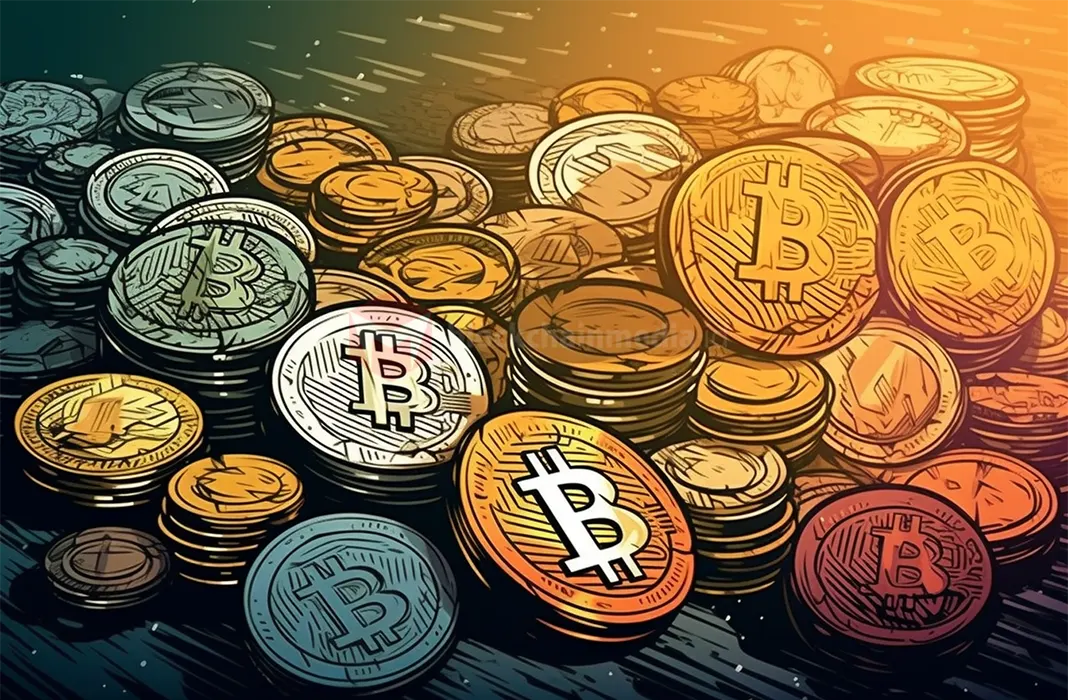
Crypto Buy Australia Your Guide To Navigating The Market

Kicking off with crypto buy Australia, the world of cryptocurrency is rapidly evolving, offering exciting possibilities for investors and enthusiasts alike. With a blend of innovative technology and emerging trends, Australia stands at the forefront of this digital currency revolution, where buying and trading crypto has become increasingly accessible.

In this guide, we will explore the current state of cryptocurrency adoption in Australia, the regulatory environment, and popular cryptocurrencies among traders. Additionally, we’ll dive into the steps needed to buy crypto, the risks involved, and what to expect regarding taxation on your investments.

Overview of Cryptocurrency in Australia

Australia has emerged as one of the leading countries in cryptocurrency adoption, with a growing number of individuals and businesses engaging in digital currencies. The regulatory environment has evolved significantly, providing clearer guidelines for users and investors alike. Popular cryptocurrencies in Australia include Bitcoin, Ethereum, and Ripple, all of which are actively traded on various platforms.

Current State of Cryptocurrency Adoption

Cryptocurrency usage in Australia has seen remarkable growth, reflected in the increasing number of exchanges and wallets available to users. As of 2023, an estimated 20% of Australians have owned some form of cryptocurrency, showing a strong interest in digital assets and blockchain technology. Retailers and service providers are beginning to accept cryptocurrencies as a legitimate form of payment, further cementing their presence in the economy.

Regulatory Environment

The Australian government has taken steps to regulate cryptocurrencies, primarily through the Australian Securities and Investments Commission (ASIC) and the Australian Transaction Reports and Analysis Centre (AUSTRAC). These institutions enforce regulations aimed at preventing money laundering and ensuring consumer protection. The taxation of cryptocurrency as an asset means that individuals must be aware of their obligations, particularly when it comes to reporting gains and losses.

Popular Cryptocurrencies Being Traded

The Australian market features various cryptocurrencies, with Bitcoin and Ethereum leading the way in terms of trading volume. Other notable examples include:

  • Litecoin
  • Cardano
  • Chainlink
  • Dogecoin

These cryptocurrencies are not only popular among investors but also frequently discussed in local communities and forums.

Buying Cryptocurrency in Australia

Acquiring cryptocurrency in Australia is a straightforward process that involves a few key steps and various payment methods. Understanding these elements is crucial for new investors looking to enter the market.

Steps to Create an Account on a Cryptocurrency Exchange

To buy cryptocurrency, users typically need to create an account on a reputable exchange. The steps include:

  1. Choose a cryptocurrency exchange that suits your needs.
  2. Sign up by providing necessary personal information and creating a secure password.
  3. Complete any required identity verification processes.
  4. Fund your account using your preferred payment method.

Following these steps allows users to start trading cryptocurrencies quickly and efficiently.

Payment Methods for Purchasing Crypto

In Australia, various payment methods are available for purchasing cryptocurrencies. These include:

  • Credit and debit cards
  • Bank transfers
  • PayPal and other e-wallets
  • Cash deposits at partnered retail locations

Each method has its own set of advantages and potential fees, so it’s important for buyers to choose the one that best fits their needs.

Comparison of Major Exchanges

Several cryptocurrency exchanges operate in Australia, each offering different features and fee structures. A comparison of some major exchanges includes:

Exchange Fees Features
Coinbase Variable (up to 1.49%) User-friendly interface, mobile app
Binance 0.1% trading fee Wide range of cryptocurrencies, advanced trading options
Independent Reserve 0.5% trading fee Supports AUD, crypto banking features

Choosing the right exchange is essential for a smooth trading experience.

Risks and Considerations

Investing in cryptocurrency carries inherent risks that potential buyers should consider before diving in.

Risks Associated with Buying Cryptocurrency

NFT vs. Crypto: What Is the Difference? | GOBankingRates

The cryptocurrency market is known for its high volatility and rapid price fluctuations. Investors must be aware of the following risks:

  • Market volatility can lead to significant losses.
  • Potential for fraud or scams in an unregulated environment.
  • Technological risks, such as hacking or system failures.

Security Measures for Crypto Purchases

Apa Itu Cryptocurrency, Sejarah dan Perkembangannya — Blockchain Media ...

To mitigate risks, implementing security measures is crucial when purchasing or storing cryptocurrencies. Recommended practices include:

  • Using hardware wallets for long-term storage.
  • Enabling two-factor authentication on exchanges.
  • Regularly updating passwords and monitoring accounts for unauthorized activity.

These precautions can help safeguard investments against potential threats.

Volatility of Cryptocurrencies

Cryptocurrencies are notorious for their price volatility, which can affect investor sentiment and decision-making. For instance, Bitcoin’s price has experienced dramatic swings, often influenced by market news, regulatory changes, and macroeconomic factors. Investors should adopt a long-term perspective and remain informed about market trends to navigate this volatility effectively.

Taxation on Cryptocurrency

Understanding the taxation of cryptocurrency in Australia is vital for all investors to ensure compliance with local laws.

How Cryptocurrency is Taxed

In Australia, cryptocurrencies are treated as assets for tax purposes. This means that any gains from buying and selling cryptocurrencies are subject to capital gains tax (CGT). Losses can also be claimed to offset any future capital gains, providing some relief for investors.

Obligations Regarding Crypto Gains and Losses

Individuals must report their cryptocurrency transactions on their tax returns, including details of any gains or losses realized during the financial year. Keeping accurate records is crucial for fulfilling these obligations and avoiding potential penalties.

Best Practices for Tracking Transactions

To simplify tax reporting, investors should:

  • Maintain a detailed log of all transactions, including dates, amounts, and prices.
  • Utilize cryptocurrency tax software to automate calculations.
  • Regularly review and update records to ensure accuracy.

Implementing these best practices can make tax reporting more manageable.

Future Trends in Australian Cryptocurrency Market

The future of cryptocurrency in Australia appears promising, with several developments on the horizon that could shape the market.

Potential Future Developments

As the cryptocurrency landscape evolves, potential trends include:

  • Increased institutional investment in digital assets.
  • Greater regulatory clarity fostering innovation.
  • Adoption of blockchain technology across various industries.

These trends indicate a maturing market that could attract more participants.

Insights into Emerging Technologies

Emerging technologies such as DeFi (Decentralized Finance) and NFTs (Non-Fungible Tokens) are gaining traction in Australia. These innovations could redefine how individuals interact with financial systems and digital ownership, presenting new opportunities for investors and creators alike.

Key Players and Startups to Watch

Several startups and organizations are making significant strides in the Australian cryptocurrency sector. Notable mentions include:

  • Power Ledger – focusing on energy trading.
  • Havven – developing decentralized payment systems.
  • ICO Launch – assisting projects with initial coin offerings.

These entities are pushing the boundaries of what’s possible in the cryptocurrency space.

Community and Resources

Engaging with the cryptocurrency community can enhance knowledge and provide support for new investors.

Resources for Further Learning

Numerous resources are available for those looking to deepen their understanding of cryptocurrency in Australia. Some recommended sources include:

  • Australian Cryptocurrency Exchange Websites – for market trends and updates.
  • Online Courses on Crypto Basics – offering foundational knowledge.
  • Cryptocurrency News Outlets – for current events and industry developments.

Online Communities and Forums

Participation in online communities can facilitate discussions and knowledge sharing. Popular platforms include:

  • Reddit – various subreddits focused on cryptocurrency.
  • Telegram Groups – for real-time discussions.
  • Discord Servers – dedicated to crypto trading and education.

Guidance on Engaging with Local Meetups

Attending local cryptocurrency meetups or events can provide valuable networking opportunities. When participating, it’s essential to:

  • Research the event organizers and attendees.
  • Practice safe networking by being cautious about sharing personal information.
  • Stay updated on local regulations and community guidelines.

This approach ensures a positive and informative experience for all participants.

Final Review

In conclusion, understanding how to effectively navigate the landscape of crypto buy Australia equips you with the knowledge to make informed decisions in the ever-changing market. Stay updated on emerging trends, engage with the community, and always prioritize security in your crypto endeavors to maximize your investment potential.

FAQ Resource

What is the best exchange to buy cryptocurrency in Australia?

Some popular exchanges include Binance, CoinSpot, and Independent Reserve, each with unique features and fee structures.

How can I secure my cryptocurrency?

Use hardware wallets, enable two-factor authentication, and keep your private keys confidential to enhance security.

Are there any tax implications for trading cryptocurrency in Australia?

Yes, cryptocurrency is treated as property for tax purposes, and capital gains tax applies to profits made from trading.

Can I use Australian dollars to buy cryptocurrency?

Absolutely, most exchanges allow you to purchase cryptocurrency directly using AUD.

What are the risks of investing in cryptocurrency?

The risks include market volatility, regulatory changes, and potential security breaches, so it’s crucial to do thorough research.